27 November 2026
Emergency Dentist Ventura: Steps to Take After a Mouth Injury
Presented by @manuelsdnp078

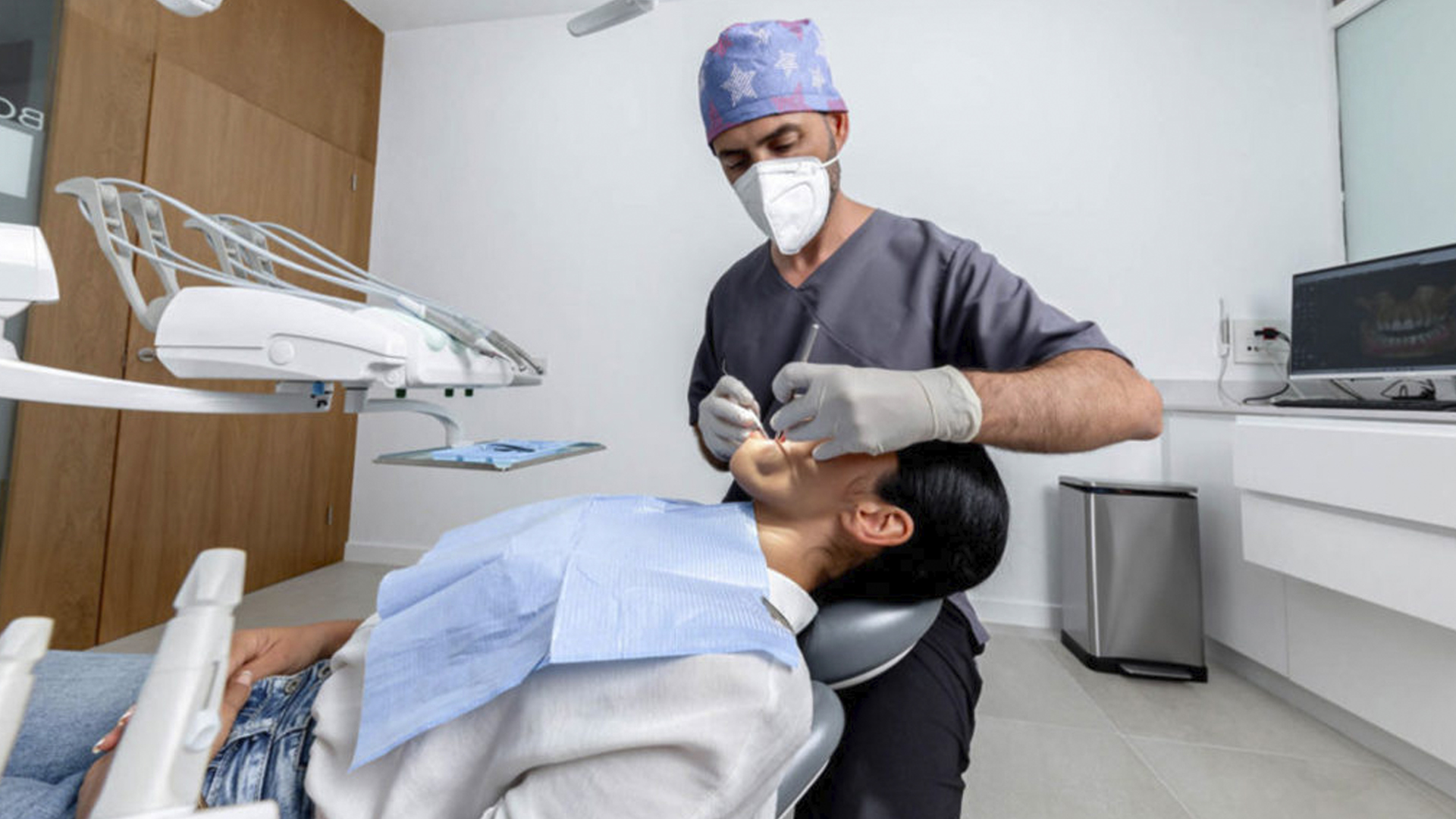

A mouth injury can turn an ordinary afternoon into a scramble of blood, swelling, broken enamel, and very fast decisions. It happens during youth sports, bike falls on the Ventura coast, kitchen slips, skateboard accidents, and the kind of roughhousing that seems harmless until someone catches an elbow to the face. In those first minutes, people often focus on the obvious, the bleeding lip, the chipped front tooth, the panic of seeing a tooth on the ground. What matters just as much is what you do next.
The right first response can reduce pain, protect the tooth, lower the risk of infection, and improve the odds that a dentist can save damaged structures. The wrong response, even with good intentions, can make the injury harder to treat. I have seen people scrub a knocked-out tooth clean under hot water, wait until the next morning because the pain seemed manageable, or ignore a crack because the tooth still looked mostly intact. Those are common mistakes, and they can be costly.
If you need an Emergency Dentist Ventura patients can reach quickly, it helps to know which injuries can wait a few hours, which need same-day dental care, and which belong in the emergency room first. Mouth injuries sit at the intersection of dentistry and medicine. Judgment matters.
The first few minutes matter more than most people realize
Dental injuries are time-sensitive in a way that surprises many families. A loose tooth may tighten back up if it is stabilized promptly. A knocked-out permanent tooth has the best chance of survival if it is replanted or professionally handled as soon as possible, ideally within 30 minutes, though there can still be options later. A deep cut inside the mouth may look dramatic because oral tissues bleed heavily, yet the bleeding may slow with steady pressure. At the same time, a jaw fracture can be missed if everyone is focused on the teeth.
That mix of urgency and uncertainty is why a calm first response is so valuable. You are not trying to diagnose everything on the spot. You are trying to control bleeding, protect the injured area, preserve any tooth fragments, and get to the right clinician without wasting time.
Start with safety before you look at the teeth
Before anything dental, make sure the injured person is safe. If they lost consciousness, seem confused, have a severe headache, are vomiting, or may have hit their head or neck, this is not just a dental event. Call emergency services or go to the emergency room. The same is true if breathing is difficult, bleeding will not stop, or the jaw looks badly out of position.
Once those larger dangers are ruled out, have the person sit upright and lean slightly forward. That helps reduce swallowing blood and makes it easier to see what is happening. Wash your hands if possible. Use clean gauze or a clean cloth to apply gentle pressure to areas that are bleeding.
One practical detail that helps in real life, especially with children, is to avoid dramatic language. Saying “let me take a look” works better than “this is bad” or “your tooth is broken.” Anxiety increases muscle tension and can make the examination more difficult.
What to do right away after a mouth injury
- Control bleeding with clean gauze or a cloth, using steady pressure for 10 to 15 minutes.
- Rinse gently with clean water if there is dirt or blood, but do not aggressively scrub the area.
- Apply a cold compress on the outside of the face in 10-minute intervals to limit swelling.
- Find any broken tooth pieces or a knocked-out tooth, hold a tooth only by the crown, not the root.
- Call an Emergency Dentist Ventura office or seek emergency medical care, depending on the severity of the injury.
Those steps sound simple, but small choices inside each one matter. A rinse should be gentle. A cold compress should go on the cheek, not directly on soft tissue inside the mouth. If you recover a tooth, touching the root can damage the delicate cells needed for successful reimplantation.
A knocked-out tooth is the true dental time trial
A tooth that has been completely knocked out, what dentists call an avulsed tooth, is one of the most urgent dental injuries. If it is a permanent tooth, immediate action gives the best chance of saving it.
Pick the tooth up by the visible chewing end or front surface, not the root. If it is dirty, rinse it very briefly with milk or saline if you have it, or clean water if you do not. Do not scrub it. Do not wrap it in tissue. Do not let it dry out. If the person is alert and cooperative, sometimes the tooth can be placed gently back into the socket and held there with light pressure from biting on gauze. Many people are understandably not comfortable doing that, which is fine. The next best option is to keep the tooth moist in milk or a tooth preservation solution if one is available. As a last resort, some people place it inside the cheek of an older teen or adult, but that creates a swallowing risk and is not suitable for young children.
One important exception: if the tooth that came out is a baby tooth, do not try to reinsert it. Forcing a baby tooth back into place can damage the developing permanent tooth beneath it. Baby tooth injuries still deserve prompt dental evaluation, but the management is different.
This is exactly the kind of situation where calling an Emergency Dentist Ventura provider while you are on the way can make treatment faster. The office can prepare for splinting, imaging, and the follow-up that often comes after the initial visit.
Not all broken teeth look serious at first
A chip can be tiny or catastrophic. Some fractures involve only enamel, leaving a rough edge but no deep pain. Others expose dentin, which can make the tooth very sensitive to air and cold. More severe breaks reach the pulp, where the nerve and blood supply live. Those often bring significant pain, visible bleeding from the center of the tooth, or a pink or red spot inside the fracture.
Save any pieces you find. Even when a fragment cannot be reattached, seeing the size and shape of the missing section helps the dentist judge the injury. Rinse the mouth gently and cover sharp edges if necessary with dental wax, sugar-free gum, or gauze to keep the lip or tongue from getting cut on the way to care.
A common mistake is to delay treatment because the tooth does not hurt much right away. Cracks can be sneaky. Some begin with little pain, then flare up later when the tooth dries, bites, or becomes inflamed internally. Another mistake is to test the tooth over and over by biting on it. That tends to worsen discomfort and can extend the crack.
Loose, displaced, or pushed-in teeth need prompt attention
Some teeth are not knocked out but are moved. They may look twisted, longer than the neighboring teeth, pushed backward, or slightly intruded into the gums. These injuries need same-day dental evaluation. The periodontal ligament, the tiny fibers that anchor a tooth, can sometimes recover if the tooth is repositioned and stabilized early.
Do not wiggle the tooth to see how loose it is. That instinct is understandable, especially when a child keeps tonguing it, but repeated movement can increase trauma. The goal is to keep the area as still as possible until a dentist can evaluate it.
With children, it can be difficult to tell whether the injured tooth is primary or permanent, especially around age six to twelve when the mouth is in transition. If there is any doubt, assume it deserves urgent dental guidance and call.
Cuts to the lips, gums, tongue, and cheeks can bleed a lot
Soft tissue injuries inside the mouth often look worse than they are because the area is highly vascular. A split lip or bitten tongue can create an alarming amount of blood. That said, some lacerations need stitches, especially if the wound https://israelznbi828.dovetailscope.com/posts/emergency-dentist-ventura-for-urgent-root-canal-needs is deep, gaping, crosses the border of the lip, or will not stop bleeding after steady pressure.
A swollen lip can hide tooth fragments. If someone falls and a front tooth chips or breaks, it is worth checking whether a piece may be lodged in the lip. Dentists and emergency physicians sometimes order imaging for that reason when the story and exam fit.
Saltwater rinses can help later, once active bleeding is controlled, but the first move is simple pressure. Ice wrapped in a cloth against the outside of the mouth can reduce swelling. If a tongue laceration is large, keeps bleeding, or interferes with swallowing or breathing, seek emergency medical attention promptly.
When the emergency room is the better first stop
Dentists handle many urgent oral injuries, but some situations belong in the emergency room before any dental office. The dividing line is not just pain. It is overall medical risk.
Go to the ER first if any of these are present
- Trouble breathing or swallowing, or significant facial swelling that is spreading quickly.
- Loss of consciousness, dizziness, vomiting, severe headache, or any sign of head injury.
- Heavy bleeding that does not slow after 10 to 15 minutes of direct pressure.
- Suspected jaw fracture, inability to open or close normally, or teeth that no longer meet together correctly.
- A deep facial cut, especially if it crosses the lip border or exposes deeper tissue.
Once the hospital rules out immediate medical danger, dental follow-up is often still necessary. A jaw injury, for example, may require imaging and stabilization first, then an oral surgeon or dentist will address the bite, damaged teeth, and long-term rehabilitation.
Pain control at home, without making the injury worse
For most people, a cold compress and over-the-counter pain relievers are helpful while arranging care. Ibuprofen often works well for dental pain because it helps with inflammation, though it is not right for everyone. Acetaminophen is another option. Follow the label directions and consider the person’s age, medical history, and other medications. Aspirin is generally not the first choice for a bleeding mouth injury because it can worsen bleeding.
Food choices matter too. Stick to soft foods and avoid very hot drinks, crunchy snacks, and chewing on the injured side. If a tooth is cracked or loose, a smoothie may be easier than a sandwich, but use a spoon if suction from a straw causes discomfort. Rinsing with warm saltwater later in the day can help keep the area clean, provided there is no instruction to avoid it after a specific procedure.
One thing people often underestimate is the effect of numbness after treatment. After an emergency dental visit, children in particular may accidentally chew a numb lip or cheek and create a second injury. That is worth watching closely for a few hours.
What not to do after a dental injury
Bad outcomes often come from well-meaning improvisation. Do not glue a broken tooth back with household adhesive. Do not place aspirin directly on the gum or tooth, which can burn the tissue. Do not ignore a darkening tooth after trauma, even if the pain fades. Discoloration can signal internal damage that needs monitoring or treatment.
Avoid smoking or vaping after an oral injury if possible. Both can interfere with healing and irritate already traumatized tissues. Alcohol-based mouthwashes can sting and may be too harsh right away. Gentle cleaning is better than aggressive rinsing.
If braces are involved, a bent wire can turn a manageable injury into a miserable one. Orthodontic wax can help cover sharp areas temporarily, but if a wire is embedded in tissue or a bracket is displaced into the mouth after trauma, call for guidance promptly.
Children, sports, and the different realities of care
Mouth injuries in children have their own rhythm. Kids cry, then calm down, then start playing again even with a significant injury. That rebound can fool adults into thinking everything is fine. It is not unusual for a child to have a luxated tooth, a lip laceration, and a subtle concussion from the same fall. The better approach is to assess the whole child, not just the visible tooth.
Sports injuries are especially common. Basketball elbows, baseballs, scooters, and skateboards each create a different pattern. A baseball impact may produce a clean fracture or avulsion. A scooter crash may combine road rash, lip trauma, and a chipped incisor. Mouthguards significantly reduce dental injuries, but only if they are worn consistently and fit well. A custom mouthguard usually protects better and feels more comfortable than a bulky over-the-counter version, which means athletes are more likely to keep it in.
In Ventura, where outdoor activity is part of daily life for many families, seasonal habits matter. Summer camps, beach biking, and after-school sports all raise exposure. It is worth having a small dental emergency kit at home or in a sports bag with gauze, a clean container, and saline or a tooth preservation product if you want to be especially prepared.
What the dentist is likely to do once you arrive
People often imagine that emergency dental care begins and ends with pain relief. Relief is part of it, but a thorough visit usually aims at diagnosis, stabilization, and a plan for what comes next.
The dentist will ask how the injury happened and when. Timing matters. They will check mobility, bite alignment, soft tissue damage, and whether the tooth responds to testing. Dental X-rays are common, and sometimes more advanced imaging is needed if the root, socket, or jaw may be involved.
Treatment may include smoothing a sharp edge, bonding a fractured tooth, repositioning a displaced tooth, splinting loose teeth, suturing a laceration, prescribing medication when appropriate, or referring to an oral surgeon or endodontist. Some injuries need staged care. For example, a tooth may be stabilized on day one, then monitored over weeks or months for signs that the nerve survived. That follow-through matters as much as the emergency visit itself.
A realistic point that does not get discussed enough is uncertainty. Trauma outcomes can change over time. A tooth that tests normal immediately after an injury may later require root canal treatment. A tooth that looks only slightly chipped may develop sensitivity. Good emergency care improves the odds, but it does not erase the biology of trauma.
Signs that trouble is developing later
Even after prompt care, problems can emerge days or weeks after the accident. Call your dentist if pain increases instead of settling down, if swelling returns, if the tooth darkens, if a pimple-like bump appears on the gum, or if the bite feels off. Lingering numbness, foul taste, fever, or drainage can signal infection or nerve injury and should not be ignored.
Parents should also watch behavior. A child who suddenly avoids chewing, complains of cold sensitivity, or wakes at night with mouth pain may be showing you that a previously “minor” injury was not so minor after all.
How to choose the right urgent care path in Ventura
When people search for an Emergency Dentist Ventura office after an injury, they usually need two things at once: speed and judgment. Availability matters, but so does the ability to recognize when the problem exceeds routine office care. Ask whether the practice handles dental trauma, whether same-day imaging is available, and whether they coordinate with oral surgery or hospital care if needed. A clinic that can tell you clearly, based on your description, “come here now” or “go to the ER first” is often more useful than one that simply offers the next open slot.
Keep in mind that not every painful mouth injury is obvious from a bathroom mirror. Roots fracture below the gumline. Teeth intrude. Jaws crack. Soft tissue can hide embedded debris. If something about the person’s speech, bite, swelling, or facial symmetry seems wrong, trust that instinct and seek evaluation.
A few practical habits can prevent the next emergency
Many dental emergencies are not truly preventable, but a surprising number are. Seat belts and car seats matter. So do helmets, mouthguards, and not using your teeth as tools to open packages or crack shells. If you grind your teeth at night, a well-made night guard may reduce the odds that a minor impact turns into a major crack. If a front tooth already has a large filling or past trauma, ask your dentist whether it carries extra risk during sports.
At home, good lighting in hallways and bathrooms prevents slips. For older adults, medication side effects, balance issues, and dry mouth can increase fall and fracture risk. Prevention looks different at age seven than it does at seventy, but it still counts.
A mouth injury is stressful because it is visible, painful, and messy. Blood, swelling, and broken teeth create instant urgency. The best response is not perfection. It is a few grounded steps, taken quickly: control bleeding, protect the tooth or tissues, keep things clean, and get to the right level of care without delay. When you do that, you give the dentist, and the injured person, the strongest possible starting point.
Avra Dental
1708 S Victoria Ave B, Ventura, CA 93003, United States
Phone: +1 805-765-3206
FAQ About Emergency Dentist Ventura
Can the ER do anything for tooth pain?
An emergency department can assess serious symptoms and provide temporary relief, but definitive dental treatment usually requires a dentist. Trouble breathing or swallowing, uncontrolled bleeding, or swelling spreading into the neck requires emergency medical care.
What do I do if I have a dental emergency and no dentist?
Contact a local emergency dental practice promptly, explain your symptoms, and ask about the earliest available assessment. Avra Dental provides emergency dentistry in Ventura; call to confirm availability. If you have life-threatening symptoms or a serious facial injury, go to an emergency department or call 911.
What do I do if tooth pain is unbearable?
Seek urgent dental assessment rather than waiting for the pain to pass. While arranging care, gently rinse with warm water and avoid placing aspirin directly on the tooth or gums. Severe pain with trouble breathing or swallowing, rapidly spreading swelling, or uncontrolled bleeding needs immediate emergency medical care.